BLOG

Taking Care of Your Lawn in the Fall
The 90-degree temperatures may not convince you that fall has arrived in Central Florida, but the calendar sure will. While
Cool Home w Plants
Summer in Central Florida can feel like you’re on the surface of the sun from the heat, yet like you’re
Why Should You Hire Someone to Take Care of Your Lawn?
Central Florida temperatures have been just short of 100 lately, with “real feel” temps of over 100 degrees. This leaves
Trees Prune Hurricane
June is here again! As Central Florida residents, we know that means hurricane season has also arrived for the next
cleaner pressure washing and sanitizing a wall
With the current state of the world, you may rightfully be concerned about keeping the inside of your home sanitized
A diseased lawn with brown patches
Spring is here in Central Florida, but the rainy season hasn’t quite caught up yet. Because of this, you may
Spring Flowers on a Florida Lawn
Spring has arrived in Central Florida! Is your lawn ready? Two springs ago, our blog post “Spring Flowers You Want
An old lawn mover trapped in tall grass. Why do you need a lawn service company?
Sure, you are likely capable of taking care of your lawn’s most basic needs like mowing and watering. But do
Southern Magnolia
Trees are an essential element to Florida landscaping, and Florida’s subtropical climate allows for a variety of vibrant, year-round trees.

Taking Care of Your Lawn in the Fall

The 90-degree temperatures may not convince you that fall has arrived in Central Florida, but the calendar sure will. While we don’t typically start to see significant autumn temperature drops until the occasional day or two in October, it’s important to prepare now for taking care of your lawn in the fall. Even the slightest changes in rainfall, sunlight and overall temperatures can affect how well your lawn grows. At Daniel’s Lawn Service & Pressure Washing, we want to help make sure your lawn and landscaping thrives in all seasons, including the cooler (or less hot than usual) fall and winter. Today, we’re covering whether or not you should use fertilizer, how to keep your grass green in cooler temperatures and how you should mow your lawn.

Should You Use Fertilizer in Fall?

Fertilizer helps your lawn receive the specific nutrients it needs depending on your soil, species of grass and pest control needs. Using fertilizer on your lawn is typically associated with spring and occasionally summer, as these months are when the most rapid growth for your lawn occurs. So, then, should you also fertilize your lawn in the fall? The answer is no. This can seem counterintuitive, since you might feel inclined to use fertilizer as a way to keep your lawn growing in the cooler months. However, fertilizing your lawn past September can cause your grass to actually grow more than it should during the winter, thus becoming more sensitive to the cold and unable to grow properly in the spring and summer months.

Winter Is Coming — How to Keep Green

If you can’t fertilize, then what can you do to keep your Florida lawn vibrant and green in the fall and winter? The Institute of Food & Agricultural Sciences from the University of Florida offers a number of helpful tips for cool weather lawn care:

  • Lawns with St. Augustine and centipede grass can be susceptible to large patch fungus disease in autumn. You can combat this by avoiding fertilizers with excess nitrogen before fall starts, watering your lawn early in the morning, applying fungicides as needed and scouting for sod webworms.

  • Overseeding can be a healthy alternative to fertilizer in the fall for keeping your grass green. You can overseed your lawn by planting a temporary grass that grows well in cooler temperatures over your existing lawn. One common grass for overseeding is ryegrass, which grows best once daytime peak temperatures are in the mid- to low- 70s. Be sure to rake and remove debris for your current lawn and water it frequently after overseeding. Grasses used for overseeding will require fertilizing and lawn care.

  • Finally, you can also help your lawn look healthy with the help of turf colorants that safely paint and dye your grass in a similar way to athletic fields and golf courses. These turf colorants are made specifically for grass and to be environmentally-friendly — using paints from the hardware or craft store will be damaging to your grass and the environment.


Cut Carefully in Cold Weather

Since grass doesn’t grow as fast in the fall compared to the spring and summer, you also won’t need to be mowing your lawn as often. Keeping your grass at the right height throughout the fall and winter will help it stay healthy all the way until spring. But, just because your lawn does grow slower doesn’t mean you should neglect mowing it entirely. It’s important to cut carefully in cold weather by allowing your grass to grow just a little bit taller than warmer months. This will protect the roots of the grass from the harshness of cool temperatures. Common Florida lawn grasses like St. Augustine and bahiagrass should be kept at about three-and-a-half to four inches, although some other grasses may be better kept at two to two-and-a-half inches tall. 

Central Florida Lawn Care

For more information on keeping your lawn and landscaping beautiful throughout the cooler months, read our previous blog post, “Preparing Your Florida Lawn for Fall.”

Our lawn experts at Daniel’s Lawn Service & Pressure Washing provide professional lawn care and landscaping services throughout Central Florida, including the Seminole County cities of Lake Mary, Longwood and Sanford. We have decades of experience treating Florida lawns for their needs in all seasons, and we would love to treat yours, too! Contact us today to schedule your next lawn care appointment to prepare your lawn for this coming fall season.

Cool Down Your Home with Plants

Summer in Central Florida can feel like you’re on the surface of the sun from the heat, yet like you’re underwater from the humidity. Whether your AC feels like it’s struggling to combat the over-100 degree heat indexes or you simply want to reduce your energy consumption where possible, there may just be a more natural solution for you — plants! Improving shade from your exterior landscaping with trees and vines can help reduce interior heat. Indoor plants have some surprising cooling benefits, as well! Tropical Florida plants can liven up your view and have you feeling made-in-the-shade year-round. Keep reading to learn how trees can help cool your home, which vines to choose and how even indoor plants can help.

How Trees Can Help Cool Your Home

The right trees can both make your landscaping look refreshing and provide a wonderful canopy of shade for your home and lawn. Not only do trees cool your house by blocking the sun’s harsh rays from reaching your roof and exteriors, but they can also keep surrounding air cool through the process of evapotranspiration. Maximize the effectiveness of your trees by planting them on the east and west sides of your home. This way, your house will stay cool even as the sun moves throughout the day.

When planting trees, it’s also important to plant them in the right location when it comes to the ground. Be sure to avoid planting trees in areas where roots could grow and cause damage to your home’s foundation, septic system or water lines. Maintain necessary airflow by planting trees and shrubs a few feet away from naturally cool spaces like ponds, lakes or wooded areas.

Don’t forget to choose the right trees for Florida’s climate, too! If your goal is to keep your house cool and shaded year-round it’s best to avoid planting deciduous trees that shed leaves when temperatures begin to drop.

Good Vines for Florida Homes

Another option besides trees for keeping your home cool is to grow vine plants. There are many beautiful Florida vines to choose from that can make your garden pop while bringing some much-needed shade. Benefits of growing vines on a fence or trellis are their fast-growing nature and ability to take up much less space compared to towering trees.

The Garden Lover’s Club list these 15 types of vines that thrive in Florida:

  • Allamanda vine
  • Bleeding heart vine
  • Bougainvillea
  • Carolina jasmine
  • Chinese hat plant (holmskioldia sanguinea)
  • Confederate jasmine (trachelospermum jasminoides)
  • Coral honeysuckle
  • Florida flame vine
  • Mandevilla vine
  • Pandora vine
  • Passion vine (passiflora spp.)
  • Petra vine
  • Thunbergia grandiflora (sky vine)
  • Quisqualis indica (rangoon creeper)
  • Perennial morning glory

Indoor Plants Can Help, Too

When we think about plants, we naturally first think of them growing outdoors. But did you know that indoor plants can keep your house cool, too? The concept of “plant air conditioning” can keep inside temperatures low and improve your overall air quality! As plants go through their natural processes of absorbing carbon dioxide and releasing oxygen, temperatures decrease and the overall air quality improves. While you may consider humidity the bane of your existence in the summer, some humidity is required inside to keep the air sufficiently cool. Indoor plants work to balance humidity levels appropriately during their natural process of releasing cool moisture into the air. Additional benefits include reduced energy costs, improved emotional positivity and aesthetically pleasing interior decor.

Consider incorporating these indoor plants into your home environment:

  • Areca palm
  • Aloe vera
  • Anthurium
  • Devil’s ivy (a.k.a. golden pothos, silver vine, and money plant)
  • Peace lily
  • Snake plant (a.k.a. mother-in-law’s tongue)
  • Spider plant
  • Syngoniums

Beat the Heat with Expert Lawn Care and Landscaping

Are you ready to cool down your house with the right trees and landscaping? Or, are you simply tired of doing your own yard work in the Florida heat? Daniel’s Lawn Service & Pressure Washing has your back! We’re the experts when it comes to Central Florida plants and lawns, and our trained crew members can transform any lawn with top-notch landscape design services. Beat the heat and live your best life in the shade! Contact us today to schedule your next lawn care or landscaping appointment.

Why Should You Hire Someone to Take Care of Your Lawn?

Central Florida temperatures have been just short of 100 lately, with “real feel” temps of over 100 degrees. This leaves the early morning or late evening as the only viable times for mowing your lawn, pulling weeds or doing any other yard work. Unfortunately, those hours simply aren’t convenient for most homeowners, who have jobs and other responsibilities to attend to. Not to mention, the temperatures and humidity still remain high in the morning and evening. If the summer heat wasn’t enough on its own to make you want someone else to take care of your lawn for you, then we have some other reasons that might just convince you!

A lawn is a living space requiring thorough care and attention in order to thrive. Brown grass, weeds and pests can cook up a perfect storm of lawn troubles if left unchecked without the help of professional lawn care and landscaping experts. Let’s take a further look at these common threats to your lawn and how lawn care professionals can help.

When Your Grass is Brown

Summer is Florida’s rainy season, but that doesn’t mean all grass is luscious and green during this time. Brown grass can be caused by not getting enough water during the occasional stretches of sun-intense days without rain. Brown spots in your grass could be indicators of many other factors, however. Deciphering the cause of brown spots is something professional lawn care experts are specially trained to do.

The pH of your soil can be a major factor causing brown spots. A professional lawn care expert can properly test your soil’s pH level to analyze its acidity and which nutrients your soil will need in order to balance itself out for healthy grass. Lawn care experts can also identify other brown spot causes, such as which herbicides may be distressing your grass or if there are any physical obstructions underneath the soil that need to be removed. Finally, lawn watering protocols can be best prescribed by lawn care professionals who know the unique seasonal watering needs for every type of lawn grass used in Central Florida. Not all grass is the same, and not all grass should be watered the same!

A brown lawn can be revived through proper irrigation, fertilization and weeding — all performed by and under the recommendation of professional lawn care experts with years of lawn care and landscaping experience.

When Your Lawn is Cursed by Fairy Rings

Fairy rings may sound cute — but they can be more like a curse for your lawn! Caused by multiple types of fungi, these rings plague Florida lawns in the summer due to high rainfall levels. Fairy rings can be identified in three ways:

  1. By a circle of dead grass surrounded by a ring of dark green grass, sometimes with weeds growing inside the dead grass area.
  2. By a ring of dark green grass, sometimes accompanied by mushrooms growing along the ring.
  3. By a ring of mushrooms, even without a dark green ring or a circle of dead grass.


Fairy rings tend to show up around large amounts of organic material — such as tree stumps, logs or lumber. They can also appear where these might be buried under the grass. Fairy ring sizes can range from as small as a foot to multiple feet, and they will continue growing over the years if left untreated. It’s important to note that fairy rings do not have to be a complete circle to be identified. Some appear only as a quarter- or semi-circle.

Attempting to treat fairy rings without the help of a lawn care professional will only bring prolonged frustration and ongoing expense. When not treated properly, fairy rings can persist for years, even disappearing for a season only to return larger than before. A lawn expert can effectively treat your lawn for those dreaded fairy rings by using the right fungicides in the proper manner and by treating any damaged soil so that grass will grow back healthy and strong. Removing fairy rings isn’t magic — it’s lawn science!

When Your Lawn Starts to Bug You

If brown grass and fungi don’t bother you enough, then insects may be what “bugs” you the most about your lawn. Insect pests can wreak havoc on your grass and landscaping, and getting rid of them is no easy task. To learn about these pests in more detail, the University of Florida offers resources on insect pests in Florida lawns. Common Florida lawn insect pests include the following:

  • Billbugs
  • Fall armyworms, cutworms and grass loopers (lawn pests)
  • Fire ants
  • Grasshoppers
  • Ground pearls
  • Mole crickets
  • Southern chinch bug
  • Spittlebugs
  • Tropical sod webworm
  • White grubs


It is in the best interest for the health of your lawn and safety of your family and pets to have professionals take care of outdoor pest treatment. Professionals will use the right pesticides and proper application techniques.

Taking Care of Central Florida Lawns

You’re a busy homeowner who doesn’t have the time or stress to spare on adequately taking care of your lawn’s needs! Daniel’s Lawn Service & Pressure Washing makes achieving the best lawn on the block an effortless task. Our professional lawn care experts specialize in Central Florida landscaping, so you can rest easy knowing that your lawn is getting the specialized care it needs. Let the pros do the hard work — It’s what we do best!

Contact us today to get your lawn back on track.

Are Your Trees Prepared and Pruned for Hurricane Season?

June is here again! As Central Florida residents, we know that means hurricane season has also arrived for the next six months. The NOAA currently predicts a 60% chance of above-normal activity for the 2020 Atlantic hurricane season. While you always need to annually prepare, an above-normal prediction should be the ultimate wake-up call that you need to make sure your home is as safe as it can be — especially when it comes to trees. Previously, we’ve covered how to prepare your yard and landscaping for hurricane season. Today, we’re talking about the importance of pruning and tree removal.

The Benefit of Pruning Trees in Summer

If your trees are in good enough condition and don’t need to be removed (more on that later, if they do), that doesn’t mean they don’t still need to be prepped for safety. The beginning of the summer is a great time to prune your trees to last them through the season. Making sure your trees are pruned and trimmed can greatly decrease safety hazards from inclement weather, no matter if the severe weather is from an afternoon thunderstorm or a hurricane. Here are three benefits of pruning your trees at the beginning of the summer:

  1. Improving tree health — Pruned trees are able to grow back stronger and more secure, thereby making them less susceptible to forceful winds. Pruning your tree at the beginning of the summer also gives it time to heal and build its strength by the time a tropical storm or hurricane comes around.

  2. Discovering hidden problems — It’s easy for cracks or weak points on your tree to remain hidden due to leaves and smaller branches. However, pruning your trees will expose any weaknesses, pest infestations or even disease. You’ll need to take care of pests or disease upon discovering them, but treating these early can give your trees a better chance at a long, healthy life. Just because your tree “looks fine” from a distance doesn’t mean it really is!

  3. Removing hazardous limbs — Of course, the primary motivation for tree pruning is to remove large tree limbs that are loose or could cause major damage (to your house, car, etc.) in the event of strong winds. Related to discovering hidden problems, removing tree limbs can help you find other cracked or weak limbs that appeared undetected from a distance.


Don’t Wait and See When It Comes to Pruning

As previously mentioned, when it comes to improving your trees’ health with pruning, waiting until just before a hurricane is coming your way is not the best time to trim — the beginning of summer is. Timing and technique are key to trimming your trees for hurricane season. Even a tropical storm can wreak havoc on your property and endanger your safety As a property owner, you need to make sure you have plenty of time to prune your trees and tackle any unexpected needs, and your trees need time to begin their regrowth process in order to stand firm in the face of high winds.

Keep in mind some of these additional tips when prepping your trees for hurricane season:

  • Trim or prune any trees that have the potential to make contact with buildings or other property.

  • If a named storm is on its way, don’t leave your cut tree limbs or other vegetation debris on the curb, as these can become airborne and cause property damage or injury.

  • Only cut tree branches near the branch collar, which is where the branch meets the tree trunk, so as not to harm the tree trunk.

  • Thin out your trees to increase the ability of wind to flow through more easily, thus minimizing your chances of tree toppling.

  • Only cut down large limbs that could become a hazard, harm pedestrians or block traffic, and only remove branches larger than two inches in diameter when absolutely necessary.

  • When trimming, avoid “liontailing” as much as possible. This is when smaller branches on larger branches are removed, leaving only leaves at the very end of branches in place.

  • Also avoid overlifting when possible, which is when lower branches of trees are removed. This can cause trees to become more susceptible to rot and wind damage.

  • Leave palms as they are, since they are naturally adapted to strong winds. In fact, even dying leaves benefit the tree’s health, and should not be removed. However, you should remove any large palm seeds for the season.

  • Plant strong trees in the first place! Look for trees labeled as “Florida Fancy” or “Grade #1” when shopping. In Central Florida, choose trees recommended for  USDA Planting Zone 9.


When Should a Tree Be Removed?

Trimming trees is important, but even more important is knowing how to identify trees that are a risk to your safety. 

Diseased trees might at first appear normal until further inspection or after initial trimmings, and they can be extremely dangerous when the winds of a named storm are involved. They can easily topple, and their limbs/branches can break off and become projectiles. We recommend having a professional tree surgeon examine any suspected diseased trees on your property to decide how to treat them or whether to remove them.

Sometimes for the sake of your safety, a tree is just better off being removed entirely. Such situations include trees that are too close to buildings, trees with previous storm damage, and trees with structural issues or cracks in the trunk.

Prepare for Hurricane Season in Central Florida

Now that we are at the beginning of hurricane season, you need to be making your preparations, which includes tree trimming and tree removal. Daniel’s Lawn Service and Pressure Washing provides safe professional tree services across Central Florida. While we do provide emergency tree removal for after the storm, our greatest mission is to improve the safety of your home and business before bad weather hits. Contact us today to discuss your tree service needs and how we can help!


Is the Outside of Your Home Sanitized?

With the current state of the world, you may rightfully be concerned about keeping the inside of your home sanitized — but have you ever thought about the sanitary conditions on the exterior of your home? Cleaning the outside of your house helps keep your home looking fresh, while also preventing potentially harmful organisms like mold from working their way inside. If you’re staying at home much more often lately, it might be a good time to work on your house cleaning projects, including your exterior surfaces. Keep reading our latest Daniel’s Lawn Service blog post to learn more about what unhealthy substances to scrub off of your home, the best exterior cleaning products and how to safely clean your home’s exterior.

Algae, Mold, Mildew — and How to Eliminate Them

In Central Florida’s warm and humid subtropical climate, it’s easy for green stuff to build up on the side of your house and other outdoor surfaces. Common forms can include algae, mold and mildew. When it comes to algae, the only thing you’ll have to worry about if left untreated for a long period of time is the algae deeply embedding itself and creating a difficult-to-remove stain. Buildup of mold and mildew can lead to more serious health concerns, however, especially for the interior of your home. Algae, mold and mildew thrive in damp, dark environments, which is why you’re more likely to find these substances growing on the north side of your home or any spot consistently covered in shade. The combination of regular dirt building up can feed your growing green stuff problem.

So, what can you do to get rid of green buildup on your home’s exterior, and what can you do to keep it from spreading in the first place? The first step is having the outside of your house thoroughly cleaned at a minimum of once yearly. However, you may also want to keep up your exterior house cleaning on a more frequent and regular basis. 

Know Your Cleaning Options

Cleaning the exterior of your home isn’t the same as cleaning the interior. It’s important to understand the differences between your cleaning solution options, as well as cleaning methods. Different cleaners exist for different purposes and different surfaces. Purposes of exterior cleaning solutions include dirt removal, sanitization and disinfection. Exterior surfaces will also require different cleaning techniques and tools to effectively clean them without also causing damage. Siding on your home can’t be cleaned in the same way as your driveway, for example.

This also leads to the differences between pressure washing and power washing. While the two terms are often used interchangeably, they actually refer to different cleaning methods and equipment. Pressure washing is generally the safer choice in terms of damage risk for softer or smaller surfaces. Larger and more hard surfaces, especially those which have a thick buildup of that green stuff, will require the more intense power washing.

Stay Safe if You DIY

There are many extra precautions to take if you plan to attempt cleaning your home’s exterior surfaces. For your surfaces, you will need to thoroughly check that your cleaning products are appropriate for your surface’s needs and won’t cause damage. For pressure washing, you will need to ensure that you are using the proper equipment and know how to safely operate it, for the sake of your surfaces, yourself and any others who may be nearby when you are pressure washing. 

Keep these surfaces in mind for what not to pressure or power wash:

  • Painted surfaces — Only use professional power washing surfaces in order to not damage the paint.
  • Old surfaces — These are naturally more delicate and could easily break down under pressure washing.
  • Laminar sandstone — This surface is simply too soft to pressure wash without disintegrating.
  • Stained wood — While wood surfaces can be pressure washed, you’ll need to expect any staining to wash off.
  • Asphalt roofing — This type of roofing can easily be destroyed by pressure washing.

We highly recommend choosing an experienced professional to pressure wash and power wash your surfaces. This will ensure both the highest safety for yourself, others, the equipment and your exterior surfaces. The misuse of pressure washing equipment can have serious consequences, as the pressure comes out up to a full 2,000 pounds of force. If you need more time to study up, our blog post – “Seven Mistakes to Avoid While Pressure Washing Your House” – covers the basics.

While we do not recommend pressure washing on your own for the sake of safety, it is advised to adhere to these safety points should you decide to pressure wash on your own:

  • Do not spray a pressure washer towards another person, as this can cause serious injury or even death.
  • Securely cover all electrical and water outlets before starting.
  • Protect your face with either safety glasses, goggles or a full face shield.
  • Keep a safe distance of five to six feet away from surfaces.
  • Test the equipment on the lowest setting followed by hard surfaces before spraying soft surfaces or windows.
  • For sanitation, spray your cleaning solution first and allow it to soak for five to 10 minutes, directly followed by rinsing with clean water. Keep the surface wet with a regular garden hose during soaking, and do not let your cleaning solution dry.
  • For vertical surfaces, start at the top and work your way down to effectively remove dirt.
  • Use the proper nozzle for your surfaces and cleaning needs. Examples include using a 0-degree nozzle for the hardest spray that will break up algae, clumped up dirt, mud or stains, or using a 40-degree nozzle to widely clean house siding, patios, sidewalks, etc.
  • Request a demonstration, not just an explanation, on how to properly use the equipment if renting from a store.

Cleaning and Pressure Washing Done Right

The best way to guarantee that your exterior surfaces will be cleaned safely, thoroughly and without damage is to enlist the help of professional pressure washing services. At Daniel’s Lawn Service & Pressure Washing, it’s right in our name! Our trained professionals have the skill and experience to ensure the exterior of your Central Florida home is thoroughly cleaned. To learn more about our pressure washing services, contact us through our website or give us a call at 321-282-9731.

How to Beautify an Ugly Lawn

Spring is here in Central Florida, but the rainy season hasn’t quite caught up yet. Because of this, you may find your lawn looking more brown than green lately due to the lack of rain and the increasingly scorching sun bearing down on your lawn day after day. Have you thought to yourself, “Is there anything I can do about my lawn?” The answer is yes — but only with the right lawn care and landscaping techniques. If you’re spending more time at home lately, this may be the perfect opportunity to work on beautifying your lawn once again, with the help of Daniel’s Lawn Service and our expert knowledge.

Keep reading to learn what factors can cause a browning lawn, how to revive a brown lawn, and how you can prevent future brown lawn problems!

Fungus and Other Lawn Problems

Not getting enough water is only one of many problems your lawn could be facing. In fact, over-watering can cause its own complications. During the spring and summer months of Florida, your lawn may be susceptible to many other threats to its health and vibrancy, such as lawn fungus.

Let’s take a look at five common lawn diseases in Florida:

  • Brown Patch Fungus — Brown patch fungus is especially aggressive on lawns with St. Augustine grass or Zoysia grass, starting off small and spreading to several feet wide over time. You’ll see it develop most often through November to May after heavy rains or from over-watering. You can identify brown patch lawn fungus by the transition from yellow, to reddish-brown, to straw-colored grass. You may also notice circle patches of browning grass surrounded by a dark narrow ring of grass or the opposite of green grass surrounded by a ring of brown-yellow grass. Grass leaves affected by brown patch fungus may also develop tanning spots with darker brown edges.
  • Grey Leaf Spot — Initially similar in appearance to brown patch fungus, grey leaf spot differs by attacking the tops of leaves. You may notice lengthy brown spots on your leaves that over time develop grey velvety growths within, eventually leading to longer and more irregularly shaped spots. Grey leaf thrives when humidity levels are high and also when rainfall increases. If affected by grey leaf spot, your grass will struggle to grow.
  • Rust Fungus — Rust fungus earns its name from its rust-like appearance as a powdery orange-yellow color that will turn you grass into similar rusty hues. The “powder” is actually spores produced by the small yellow flecks or bigger dark yellow spots on the leaves. Shaded grass is particularly at risk for rust fungus where moisture sticks around more often. Rust fungus kills your lawn leaf by leaf, and weakens it to other threats.
  • Fairy Ring — The name of fairy ring may come from the stuff of myths and legends, but its effects on your grass are very real. It’s pretty easy to spot fairy rings by their rings of dead or sometimes dark green grass surrounding more healthy patches, occasionally accompanied by mushrooms along the rings. What makes them so tricky is that they can persist over many years, and they kill your grass by releasing mycelium, which is a substance that prevents water from reaching the roots of your grass.
  • Dollar Spot — Dollar spots earn their name from the silver dollar-sized spots and patches of dead grass that spread across lawns. Eventually, those smaller spots will develop across much bigger areas, taking down your grass all the way to the roots. Dollar spots spread the most in hot, humid temperatures. You can identify dollar spots by the tan spots with reddish-brown edges on your grass, which will eventually become more white or straw-like in color over time, along with noticing mycelium when early morning dew is on the grass.

Aside from lawn fungus and diseases, other potential causes of a brown lawn include improper fertilization, over-watering or under-watering, and pest infestations. 

Can a Brown Lawn Be Revived?

With so many risk factors for damage to your grass, is it even possible to revive a brown, dying lawn? Absolutely! However, it will take time and following the right lawn care techniques recommended by professional lawn care specialists. Some of the basics to reviving your lawn include:

  • Time your irrigation — Keep your lawn watering on a schedule that fluctuates with the seasons, rainfall and your lawn’s present needs. Both too much or too little water can harm your lawn and encourage further damage.
  • Implement routine fertilization — Fertilizing your lawn on a routine basis, at least four times per year, will help your grass get the nutrients it needs for every season.
  • Annually weeding and feeding  — Weeding and feeding your lawn at least once a year cuts down on the risk of the spread of grass diseases from weeds and other harmful plants.
  • Regularly treat for pests — Your lawn should undergo professional pest control treatment, including lawn fungus control with fungicides, at least twice a year to keep pests like bugs and fungi far away from harming your grass.

Preventing Future Brown Lawn Problems

By now, you might have a plan in place to tackle your lawn’s current brown patches, but what do you do to keep them from coming back? Preventative measures are extremely important for maintaining a vibrant, healthy lawn. Help your lawn recover from fungi by regularly treating your lawn with fungicides both during the on and off seasons. However, it’s important to consult with a lawn care or landscaping specialist before starting a preventative treatment regimen in order to not do worse damage to your lawn (or your wallet) in the long run.

Of course, the best way to prevent damage to your lawn is to keep up with the maintenance routines you put in place to help revive it! These include the previously mentioned irrigation, fertilization, weeding and feeding, and pest treatment routines.

Get Better Results with the Experts

You can work on your lawn on your own, but the chances are high that the same brown spots, fungi and pests won’t be gone for long. Get better results for a vibrant green lawn with the help of our lawn care and landscaping experts! Based locally in Central Florida, Daniel’s Lawn Service & Pressure Washing provides experienced lawn care professionals who can give you the most accurate advice for your lawn, along with the highest quality lawn maintenance and landscaping services. Contact us today to discuss your lawn care needs.

Getting Your Lawn Ready for Spring Flowers

Spring has arrived in Central Florida! Is your lawn ready? Two springs ago, our blog post “Spring Flowers You Want in Your Central Florida Garden” helped you determine which flowers were right for spring. This year, Daniel’s Lawn Service & Pressure Washing is helping you get your lawn prepped and ready before you start planting. Keep reading to learn the latest expert tips about growing a garden in your Florida lawn, the best spring flowers for your garden, and how to plan out your landscaping projects.

Growing a Garden in Your Lawn

To start a garden, you can just start planting over your existing grass, right? Actually, the best thing to do when planting a new flower garden is to first remove your grass. This is because you will need to check and prep your soil right in order to see your flowers thrive. Ideally, you will begin preparing your garden’s soil in the fall before spring, but prepping it as soon as possible is better than not prepping at all.

Prep your soil with the following garden care steps:

First, make sure the space you’ve chosen for your garden bed is level, has enough soil drainage, and gets plenty of sunlight. The next important step is to test your soil to determine its pH level and nutrient contents, which can be tested with a do-it-yourself kit from your local home and garden store.

After these steps, you can start preparing the actual space for your flower garden. To help set your boundaries, place wooden stakes or other markers into the existing grass at your desired corners. Then, you may tie and connect a piece of string to each of the markers to make your outline. Use a spade to remove the grass currently in your garden bed space by cutting it into sections with your spade as you go.

When it comes to getting your soil ready after removing the grass, be sure to till it well with a tiller about eight to 12 inches deep to fully break up your soil and help you remove any unwanted elements, such as debris, weeds, rocks or roots. Go through a final time with a rake to make sure all debris is gone. Any removed grass or plant-based debris can be composted. After this, you can treat your soil for its needs, based on your previous testing, by tilling in the nutrients.

Give your soil a week or two for the nutrients to get to work before planting. When you go to plant your flowers, make sure to rake through the soil once more as a final soil preparation step. Prepare the outline of your garden with features such as bricks, landscape timbers, landscape edging or field stone to ensure it stays well-protected.

Finally, it’s time to plant your flowers! Do so according to each plant’s instructions. Then, give your plants a necessary boost by adding about three to four inches of organic mulch, being sure to give your plants a few inches around their base for future growth.

The Best Spring Flowers for Your Garden

With Florida’s subtropical climate, we can enjoy gorgeous flowers and foliage year-round, but it’s still important to plant according to the seasons. Even Florida has plants that do better in the spring!

Here’s a brief recap of the top flowers and plants we recommend for spring in Florida:

  • Crossandra “Orange Marmalade”
  • Queen’s Wreath
  • Cannas
  • Calla Lilies
  • Caladiums
  • Dahlias


For a full list of Florida plants, their needs, and how to properly care for them in every season, see the Florida-Friendly Plant Database! To search for flowers, select your region (Central Florida) and select flowers. Then, you can specify your search further according to native plants, flower type, light range, soil moisture, soil texture and salt tolerance.

Planning Your Garden Landscaping

Of course, before you start removing your grass and tilling away at your soil, it’s important to have a plan in mind. You’ll find the most satisfactory results of your spring garden if you plan your landscaping ahead of time — not just the week before you set out to tackle the project, but months or even seasons in advance. As previously mentioned, prepping your garden bed in the fall is the best way to see your spring flowers in full bloom.

So, what can you do to create a plan and make sure all goes according to that plan? Follow these tips on planning a landscaping project:

  1. Think about your landscaping space’s purpose. If it’s for a garden, where do you think it will get the most appreciation? Will you use it to line your walkways or porch? Or will your flowers be an accent to a more detailed landscaping design?

  2. Seek out inspiration! You may want to drive around and see what landscaping choices your neighbors are making. For on-the-go inspiration, the internet has no shortage of landscaping ideas for you to search through. Why not even stop by your local home and garden store for some expert recommendations?

  3. Set a timeframe. By planning out a timeline and breaking down your landscaping makeover into smaller projects, everything will be much easier to tackle. Now, you can plan your finances and your time accordingly.

  4. Decide how the work will get done. What is the size and scope of your garden or other landscaping project? Do you have the right tools and experience to make it a DIY project? Hiring a landscaping company will likely be the best choice to make if your project involves any slopes in your lawn, drainage issues or any other technical problems.


Central Florida Landscaping Experts

If you want your garden to fully bloom this spring, make sure everything is done right with the help of Daniel’s Lawn Service & Pressure Washing. We’re more than just a lawn care company — we are a team of trained, licensed professional lawn care and landscaping professionals based locally in Central Florida. For both commercial and residential lawn care services, expert garden and landscape design, tree services and pressure washing, we have you covered! Contact us today to schedule your next appointment.

Why Do You Need a Lawn Service Company for Your Home?

Sure, you are likely capable of taking care of your lawn’s most basic needs like mowing and watering. But do you wish you had more time to spend doing what you really want to do instead of taking care of your lawn? Or, are you confident that you are giving your lawn the proper care it needs depending on the season, soil quality and type of grass you have? Almost anyone can operate a lawn mower, but only a lawn care specialist can make sure your Florida lawn gets the attention it deserves to flourish. Why else should you consider a lawn service company for your home? Let’s find out!

Saving Time and Money

One of the top reasons to hire a lawn care company is to free up your valuable time. When you’re responsible for taking care of your lawn on your own, the extra time spent studying your lawn, researching its needs, purchasing equipment and doing your own labor quickly adds up. Who wants to spend that many hours of their time when a lawn care expert can take care of all those needs for you? Lawn care specialists already have the right equipment, they know lawns better than anyone and they have the physical capacity to quickly and efficiently take care of your lawn.

It’s common to think that the trade-off to using a lawn service company is higher costs. However, this isn’t necessarily true. Doing DIY lawn care can cost a pretty penny when you’re unsure of the right products or equipment to buy, and let’s not even get started on how costly it can be trying to fix DIY mistakes on your lawn. Lawn care companies also use higher-quality equipment that would be much more expensive for you to purchase. It’s better to hire a lawn service company to skip both the guesswork and the risk of burning a hole in your wallet.

Lawn Care Goes Beyond Cutting Grass

When you go with a professional lawn service, your grass will be cut evenly and properly for your lawn’s type of grass and for the current season — something you may not be able to get right on your own, especially with Florida’s subtropical climate and many types of grass. Beyond a proper cut, though, you can receive so many more professional-quality services that will help keep your lawn the best on the block.

The right lawn care company will also likely provide:

  • Lawn pest control or plant disease treatments
  • Leaf hauling and clean-up
  • Fertilization
  • Mulching
  • Reseeding or planting new grass
  • Weed killing or weed pulling
  • Repair and maintenance for irrigation and sprinkler systems


Things to Look for When Considering a Lawn Care Company

If you’re ready to put away your lawn mower and let the professionals take care of the job, your next step is to decide which lawn care company best meets your needs. Be sure to check for each of the following things to look for when considering a lawn care company:

  • Company reputation — This can be determined by how many years they have been in business, their online customer reviews on places like Yelp or Google, any awards they have received or if they hold memberships to professional organizations.
  • Safety and liability — Check with prospective lawn care companies to make sure they do background checks on employees, are licensed and insured, carry workers compensation insurance, and if the products used on your lawn are EPA-approved.
  • Training — Not all lawn care companies provide employee training, but the most reputable and high-quality companies do.
  • Clear Pricing — Compare lawn care companies in your area to determine which rates are fair. Additionally, closely look over pricing plans, as many companies may advertise cheap deals up front while hiking up the price afterwards. A good lawn service company will be glad to provide clear, honest pricing plans.


The Best Florida Residential Lawn Care

Don’t settle for less than the best when it comes to taking care of your lawn. For quality residential lawn care services in Central Florida, call Daniel’s Lawn Service & Pressure Washing! Located in Lake Mary, we service the entire Greater Orlando area with lawn service, landscape design, tree services and pressure washing. Licensed and insured, Daniel’s Lawn Service is committed to giving your lawn the full attention and care it deserves. Call us today!

The Best Trees to Consider for Your Landscaping

Trees are an essential element to Florida landscaping, and Florida’s subtropical climate allows for a variety of vibrant, year-round trees. If you’re looking to improve your landscape design and add some extra shade to your property, then this Daniel’s Lawn Service guide on the best Central Florida trees to plant is perfect for you! For other landscaping tips using tropical and native Florida plants, see our blog post “Tropical Plants Perfect for Your Florida Landscape.” Today’s guide features information on native Florida shade trees and palm trees.

Types of Native Shade Trees to Plant

Beyond improving your landscaping design, did you know that planting certain trees in the right spot on your property can help you cut down on energy costs and usage? This makes planting native Florida shade trees even more appealing to homeowners and business owners. There are two main categories of native shade trees: deciduous and evergreen.

Deciduous shade trees native to Florida include:

  • Florida Elm — Florida elm trees have a very long life and grow to be between 60-80 feet tall. While Florida does not experience much of an autumn, a Florida elm’s leaves turn a nice golden color in the autumn, dropping small leaves that are easy to rake up.
  • Hophornbeam — Hophornbeam trees are ideal for smaller landscaping spaces, as they only grow to be about 25-40 feet tall. Similar to the elm, their leaves turn a pleasant yellow in the autumn.


Evergreen shade trees native to Florida include:

  • Southern Magnolia —  Very well-known, Southern magnolias are admired for their white flowers in their spring and summer, along with their large size of up to 90 feet tall. Southern magnolias are better for large yards and landscaping spaces.
  • Hollies — There are two main types of hollies native to Florida: the Dahoon holly and the East Palatka holly. Dahoon hollies grow up to 20-30 feet tall, while East Palatka hollies grow between 30-45 feet tall. Bird enthusiasts may particularly enjoy this tree, as female holly trees produce bird-attracting hollies.
  • Sweetbay Magnolia — Somewhat different from the Southern magnolia, Sweetbay magnolias grow smaller flowers and leaves with a silver tone on their undersides. They can grow up to 50-90 feet tall, and grow best in wet soils and swampy areas.
  • Gumbo-Limbo — While gumbo-limbos can grow up to 60 feet fall, they often remain on the smaller side. These trees are semi-evergreens and can provide great shade.


Palm Trees to Consider for Your Landscaping

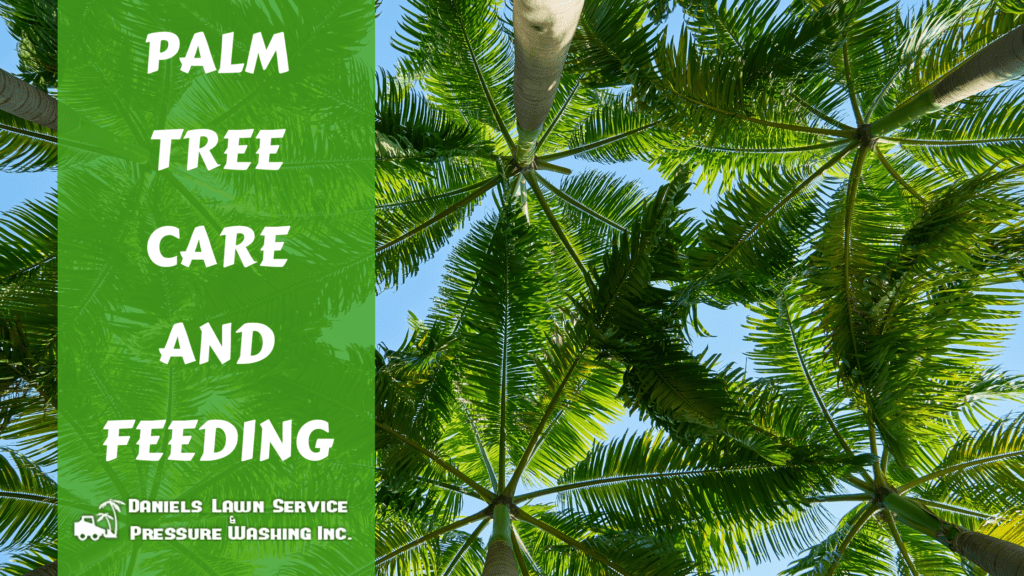
When it comes to trees in Florida, there is no type more iconic than the palm tree. You may know a small handful of palm species, but there are truly a vast number of palms that can thrive as part of your landscape design. Palm trees provide both great shade and a year-round tropical flare.

Consider using some of these palms and palm-like plants, as listed in the Florida-Friendly Landscaping Plant Database:

  • Paurotis Palm (Saw Cabbage Palm)
  • Bismarck Palm
  • Pindo Palm
  • Chamaedorea (Bamboo Palm, Miniature Fishtail Palm)
  • European Fan Palm
  • Dioon (Chamal, Mexican Sago)
  • Areca Palm (Yellow Butterfly Palm, Bamboo Palm)
  • Fan Palm
  • Date Palms
  • Needle Palms
  • Large Lady Palm
  • Slender Lady Palm
  • Scrub Palmetto
  • Dwarf Palmetto (Blue-stem Palmetto)
  • Cabbage Palm (Sabal Palm, Cabbage Palmetto)
  • Saw Palmetto
  • Windmill Palm
  • Foxtail Palm
  • Coontie (Florida Arrowroot, Florida Zamia)


Central Florida Professional Landscape Design

Planting trees can be a complicated process, and making sure they grow properly can be even more complex. Avoid wasted costs and wasted time with the assistance of professional landscapers! Daniel’s Lawn Service and Pressure Washing provides years of trained, professional landscape design services for your Central Florida home or business. Contact us today to get your landscaping ready for spring!

Call Now Button